
L.M.S Project
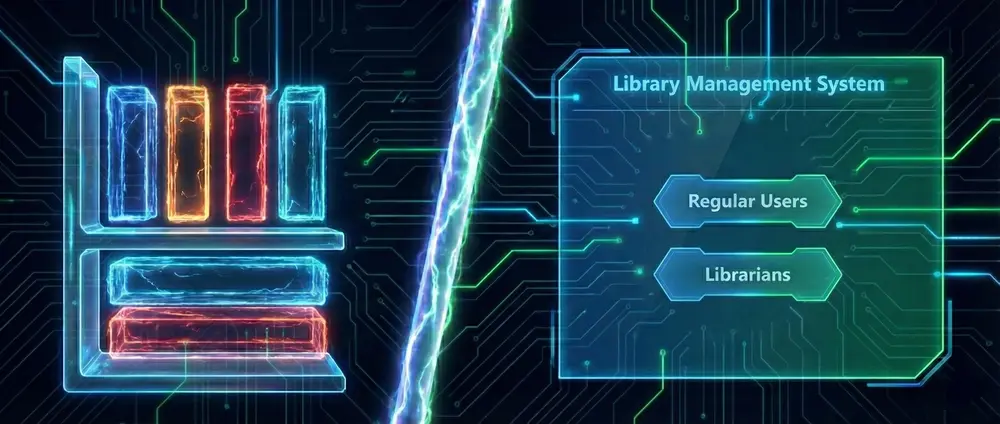
Tech Stack
Project Overview
The Advanced Library Management System is a comprehensive software solution designed to modernize traditional bookkeeping. Built with a modular Object-Oriented approach, it handles the entire lifecycle of library resources.
The application features a robust Layered Architecture ensuring scalability. It supports complex operations like fine calculation, FIFO reservations, and role-based access control.
The Goal
To create a cross-platform, efficient desktop solution that eliminates manual redundancy in library administration while providing a clean, user-friendly interface for both staff and members.
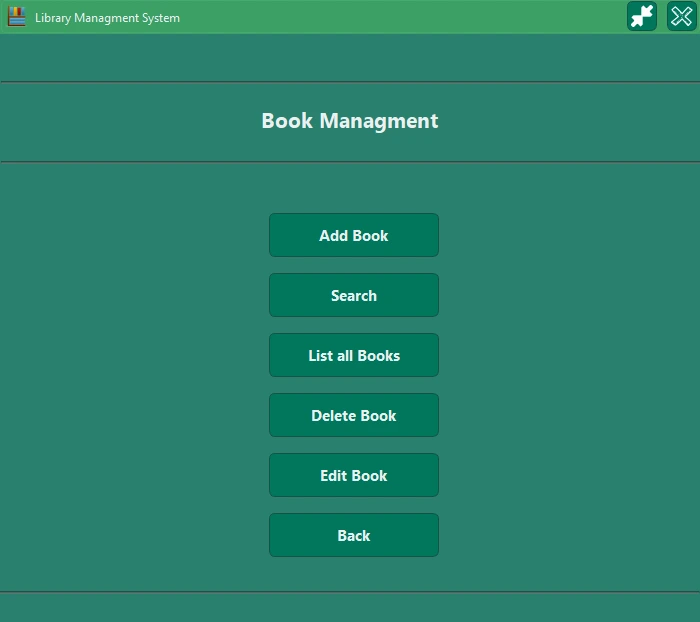
App Gallery (Scroll to view)



Detailed Features
Role-Based Access
Distinct interfaces for Librarians (Admin) and Members. Admins manage inventory and users, while members can browse, reserve, and view their history.
Smart Circulation
Automated logic checks borrowing limits, calculates due dates based on user type, and automatically applies late fees upon return.
Advanced Search
Full CRUD operations with multi-criteria filtering by title, author, and category for efficient resource discovery.
System Logging
Singleton-based logger recording granular events (Debug, Info, Error) for comprehensive system monitoring.
FIFO Reservations
Implements a "First-In-First-Out" queue system for popular books. When a book is returned, the next person in line is automatically notified.
Visual Analytics
A dedicated reporting tab allows admins to generate reports on most popular books, active users, and financial summaries of collected fines.
Polymorphic Core
Extensible OOP architecture handling diverse resource types like Magazines and Reference Books with unique behaviors.
Persistent Data
Reliable CSV storage with automated serialization and configuration via external INI/TOML files.